Direct answer: Answer Engine Optimization (AEO) is the practice of structuring content so AI systems — ChatGPT, Google's AI Overviews, Perplexity, Gemini, Claude — can find it, understand it, and cite it directly inside their generated answers, rather than simply ranking it in a list of blue links. It sits alongside traditional SEO rather than replacing it: the same content now has to work for two different readers — a human scanning a results page, and an AI system deciding what to quote.
The shift behind this is already large and accelerating. Google's AI Overviews now appear in roughly 18% of all searches and 57% of long-tail queries, and when Google's full AI Mode is active, 93% of searches end without a single click to an outside website. Being the source an AI system chooses to cite is quickly becoming as important as ranking well ever was.
The Strategic Detail
- Visibility and traffic are no longer the same metric: A brand can be prominently cited inside an AI answer while sending the reader zero clicks — which means the old scoreboard of clicks and rankings is only telling half the story now.
- Being cited still pays off, just differently: Organic click-through rate runs roughly 35% higher when a brand is cited inside an AI Overview, and users who click through from an AI citation tend to be more engaged than average search traffic — fewer visits, but higher-intent ones.
- AEO doesn't replace SEO — it's built on top of it: Over 92% of AI Overview citations come from domains that already rank in the top ten organically. The firms winning AI citations are almost always the ones who'd already invested in traditional search authority — the two disciplines compound rather than compete.
- Most businesses aren't measuring this at all: Only 14% of marketers currently track whether their brand gets cited inside AI answers, despite over 40% naming AI search as a core priority — the measurement gap is currently larger than the strategy gap.
The Implementation Process
- Lead every piece with a direct, citable answer: Open each page or section with a clear, specific answer to the question implied by its heading — the exact pattern AI systems are built to extract and quote.
- Structure for extractability, not just readability: Clear headings, defined terms, and concrete numbers get pulled into AI answers far more often than dense, unstructured paragraphs saying the same thing.
- Add structured data as a baseline, not an afterthought: Pages cited by ChatGPT are more than twice as likely to include structured data markup compared to typical top-ranking organic results.
- Keep investing in traditional SEO authority: Since AI citations draw overwhelmingly from already-ranking domains, abandoning SEO to chase AEO directly undermines the eligibility you need for either.
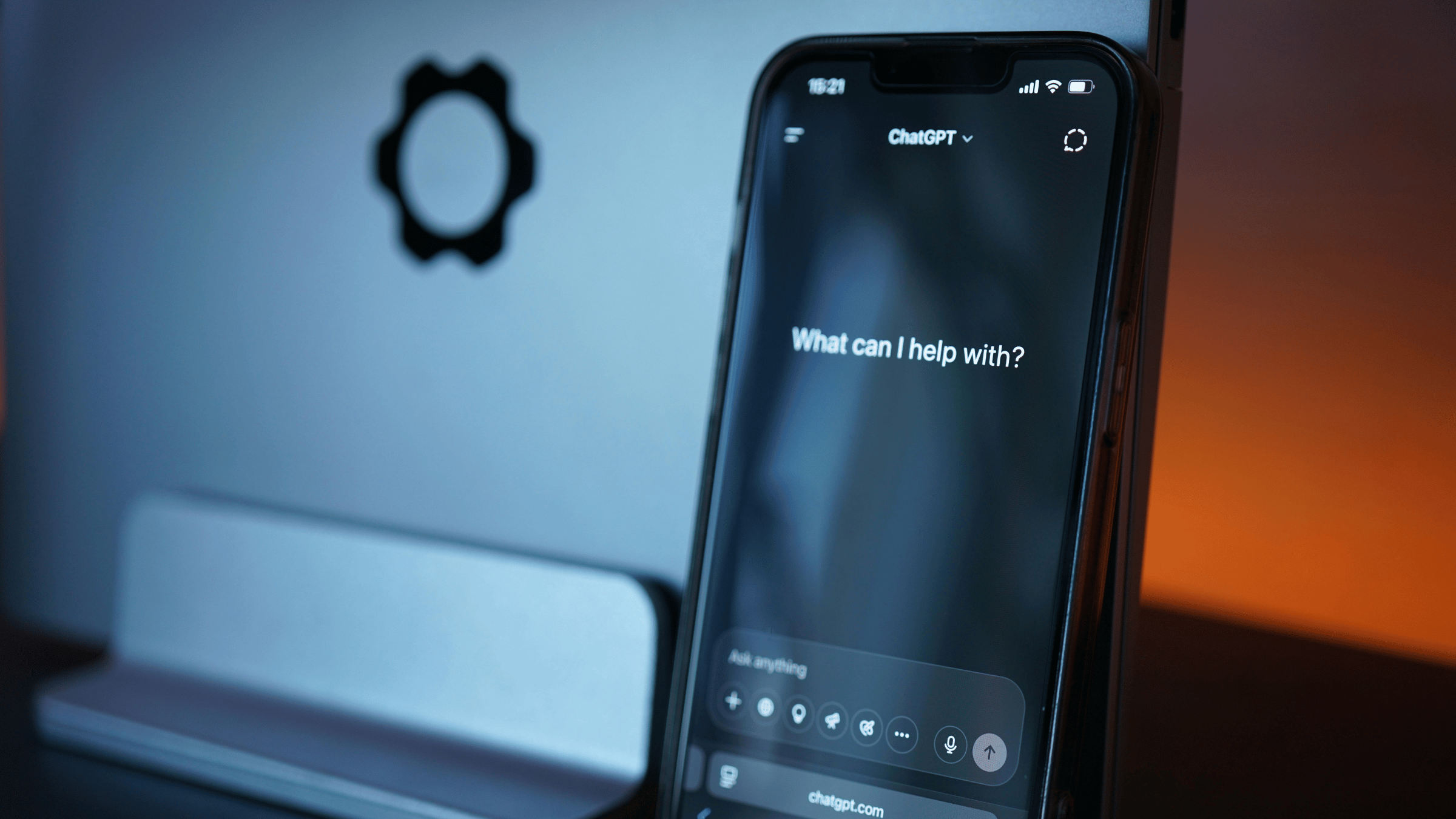
- Start tracking AI citations now, even manually: Periodically asking ChatGPT, Perplexity, and Google's AI Mode your own category questions and noting whether — and how — you're mentioned puts you ahead of the 86% of competitors not yet watching this at all.
The businesses treating AEO as a 2026 add-on are already behind the ones treating it as the same discipline SEO always was, just with a second reader to write for. The fundamentals — clarity, structure, earned authority — haven't changed. Only who's reading first has.